




TL:DR
- Inflation measures how quickly prices rise, reducing the purchasing power of a currency over time.
- Forex traders closely watch CPI (Consumer Price Index) because it is the main measure of inflation and often influences market expectations.
- Higher-than-expected inflation is usually bullish for a currency, as it increases the chances of interest rate hikes by the central bank.
- Inflation and interest rates go hand in hand. Rising inflation often leads to higher rates, attracting investors and increasing demand for the currency.
- Always compare inflation to expectations, not just the headline number. The biggest market moves usually happen when inflation is significantly higher or lower than forecast.
In forex, understanding what moves a currency goes far beyond charts and technical patterns. At the core of every major move are economic forces that shape how money flows between countries. One of the most important of these is inflation.
This data influences everything from central bank decisions to investor confidence. Hence, it's a key driver of currency trends. Whether you're looking at short-term volatility around data releases or longer-term shifts in economic analysis, inflation plays a central role.
What is Inflation?
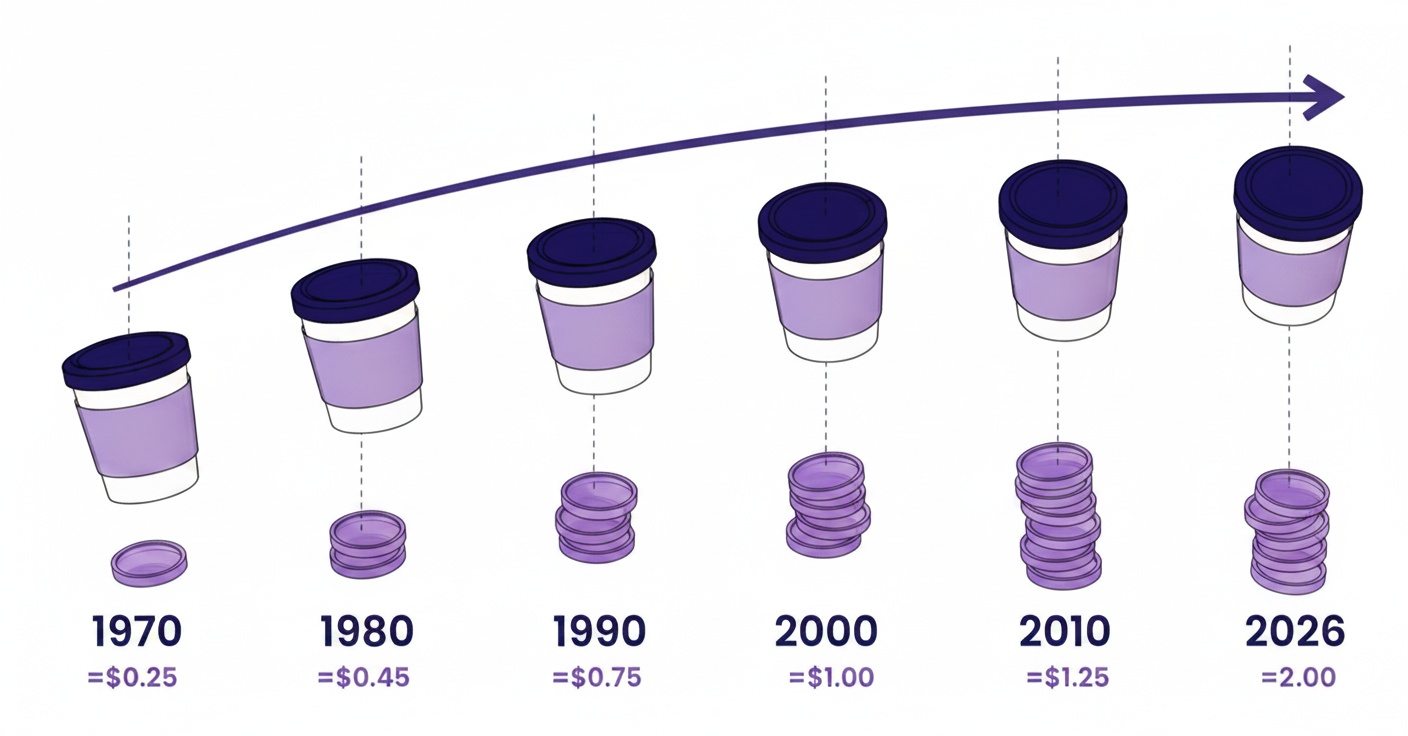
While inflation is commonly described as a general rise in consumer prices, it’s easier to think of inflation as the gradual erosion of purchasing power. When the inflation rate rises, the same amount of money buys fewer goods and services than it did before.
Because currencies represent purchasing power, inflation directly influences how a currency is valued. If prices are rising too quickly, that currency tends to weaken over time. On the other hand, stable and controlled inflation supports confidence and helps maintain currency strength. As a general rule, most economies aim for a moderate annual inflation rate of around 2%, which is considered a healthy balance between growth and stability.
However, when inflation accelerates or becomes unpredictable, it can create market volatility. This is largely because central banks may be forced to react aggressively. At the same time, very low inflation, or even deflation, can signal weak demand and slow economic activity, which in turn affects currency performance.
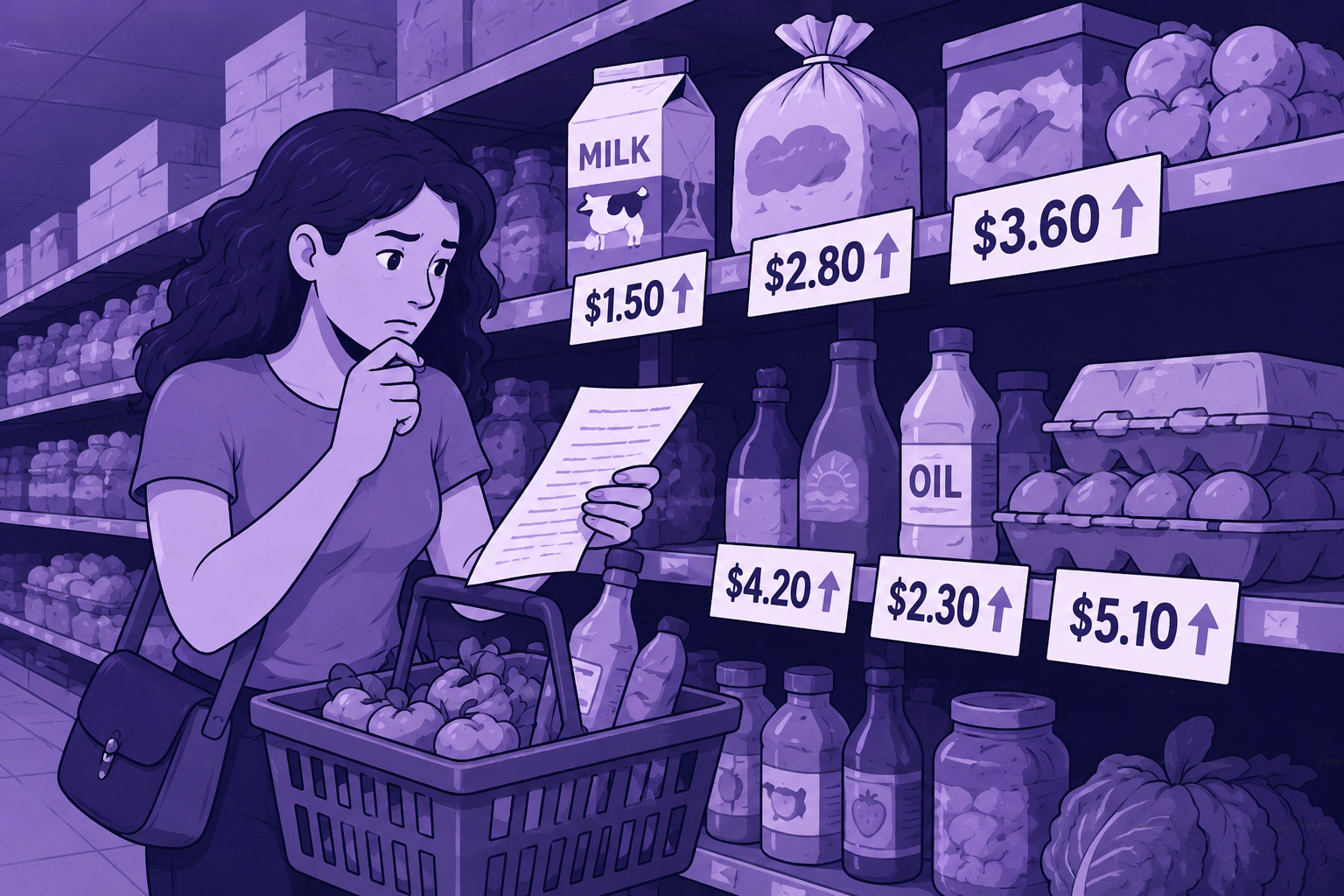
The most widely followed measure of inflation is the Consumer Price Index (CPI). Usually published monthly for a particular country, it tracks price changes in a typical market basket of goods and services. This includes food, energy, shelter, transportation (such as cars and trucks), and other everyday items purchased by urban consumers.
The CPI gives traders a clear snapshot of whether inflation is heating up or cooling down.
About the Consumer Price Index (CPI)?
The Consumer Price Index CPI is compiled by institutions such as the Bureau of Labor Statistics and countless other organisations in their respective countries. It measures the average change in consumer prices over time based on a fixed basket of goods and services.
There are a few key variations of CPI that traders pay attention to:
- Headline CPI: Includes all items, such as energy commodities, gasoline, and fuel oil.
- Core CPI: Excludes volatile components like food and energy, often referred to as core inflation.
- CPI-U (cpi u): Covers a broad group of urban consumers, representing a large portion of the population
These figures are typically seasonally adjusted to remove temporary fluctuations, giving a clearer view of underlying trends.
Each monthly report compares the current given month (e.g., January, February, March, or April) to the previous year, allowing traders to track the annual inflation rate and identify whether inflation has increased or decreased.
How Inflation Data Is Interpreted in Forex
Inflation data is not just about the number itself; it’s about how that number compares to expectations.
Markets focus heavily on forecasts and estimates, the difference between expected and actual data, and trends across multiple data ranges.
In short:
- If inflation comes in higher than expected → bullish for the currency
- If inflation is lower than expected → bearish for the currency
Overall, traders often look at charts showing CPI trends over time to identify whether inflation is rising, stabilising, or declining. Even small changes in the percent increase can have a significant impact on market sentiment.
The Link Between Inflation and Interest Rates
One of the most important relationships in forex is the link between inflation and interest rates.
Central banks closely monitor inflation because it directly affects economic stability. When inflation rises above target levels, central banks often respond by increasing interest rates to slow down spending and reduce price pressures.
Here’s how it works:
- Rising inflation → Higher interest rates
- Falling inflation → Lower interest rates (or no change)
Higher interest rates make a currency more attractive because:
- Investors earn better returns
- Capital flows into that country
- Demand for the currency increases
However, if inflation rises too quickly, central banks may be forced to raise rates aggressively. This can create uncertainty and volatility in the market, especially if the economy begins to slow.
On the other hand, low inflation or deflation may prompt central banks to cut rates to stimulate growth. This can weaken the currency, as lower rates reduce returns for investors.
This relationship is why inflation data is so closely watched; it provides insight into future monetary policy decisions.
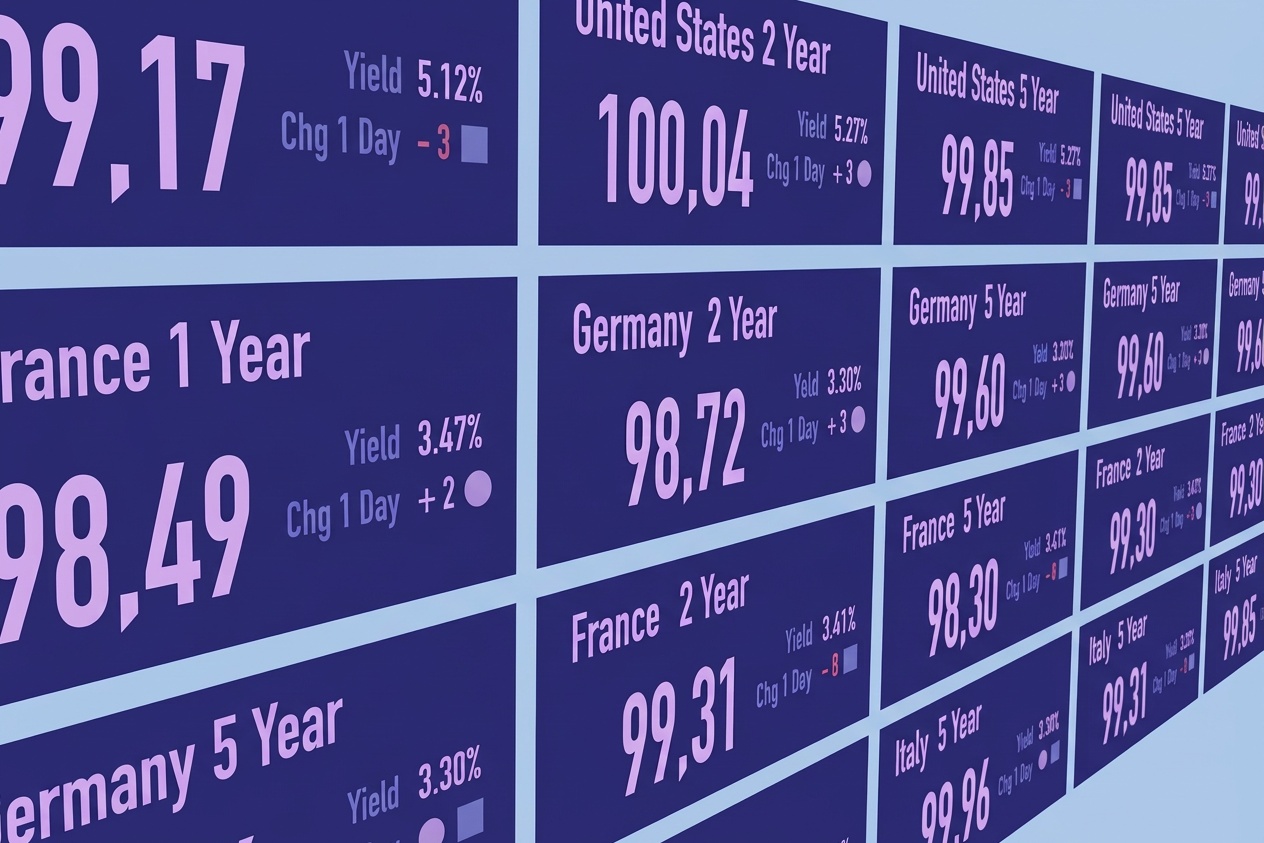
Also, inflation is influential in yields or real yields. In basic terms, these show what investors actually earn after accounting for inflation. If a country offers a 5% interest rate but inflation is running at 4%, the real yield is only 1%. But if inflation jumps to 6%, that same 5% rate now produces a negative real return.
Why Inflation Matters for Currency Strength
Inflation affects currencies through several channels:
- Purchasing power: As inflation rises, the value of money declines. This reduces the attractiveness of that currency over time.
- Central bank reaction: Inflation influences interest rate decisions, which directly impact currency demand.
- Economic outlook: High inflation can signal overheating, while low inflation may indicate weak growth.
- Investor confidence: Stable inflation supports confidence, while unpredictable inflation can create uncertainty.
All of these factors combine to influence how a currency performs relative to others.
Practical Example in Forex
Let’s say inflation data is released in March, and it comes in higher than expected.
- Forecast: 3.0%
- Actual: 3.5%
This higher-than-expected reading suggests inflation is rising faster than anticipated. Traders may then expect the central bank to raise interest rates sooner or more aggressively.
As a result, the currency strengthens, market volatility increases, and traders adjust positions based on new expectations.
Now consider the opposite scenario: inflation comes in below expectations. This may signal weaker demand, reducing the likelihood of rate hikes and putting downward pressure on the currency.
Final Thoughts
The inflation rate is one of the most important drivers in forex because it connects directly to purchasing power, economic health, and central bank policy.
By understanding how inflation is measured (using the Consumer Price Index) and how it influences interest rates, traders can better interpret market movements and anticipate potential trends.
Ultimately, inflation reflects the balance between supply, demand, and economic activity across the world. And in forex, where everything is relative, that balance plays a crucial role in determining which currencies strengthen and which weaken over time.
