




TL:DR
- Bond yields are a key driver of forex because they influence global capital flows and determine how attractive a country’s assets are to investors.
- Higher yields tend to attract foreign investment and strengthen a currency, while lower yields can lead to outflows and currency weakness.
- Yields are closely linked to interest rates, central bank policy, economic data, inflation expectations, and risk sentiment.
- Markets react more to expectations of future yields and economic conditions than to current data, making the bond market a leading indicator of currency moves.
When traders talk about what really drives currencies, the conversation almost always leads back to bonds and yields. The influence of the bond market is subtle yet plays out in numerous ways on the chart.
At its core, forex is a market driven by capital flows. These are heavily influenced by bond yields, which reflect returns available in a country’s fixed income market. If you understand how bond yields work, you begin to understand how money moves across currencies, and that’s where the real edge lies.
What Are Bonds and Why Do They Matter?
Bonds are essentially debt instruments issued by governments or corporations. When investors buy bonds, they are lending money in exchange for regular interest payments (or the coupon payment) and the return of the bond's face value at maturity.
Key types include government bonds (e.g., US Treasuries), corporate bonds, and high yield bonds (higher return, higher credit risk)
Each bond typically has:
- A coupon rate (fixed annual interest)
- A maturity date
- A purchase price and market value
For forex traders, bonds matter because they reflect how attractive an economy is from an investment standpoint.
Understanding Bond Yields
While bonds themselves are important, it’s bond yields that drive currency markets.
A bond yield represents the return an investor earns based on the bond’s current market price, not just the original price paid. This is where things get interesting.
There is an inverse relationship between bond prices and yields:
- When bond prices rise → yields fall
- When bond prices fall → yields rise
This happens because the interest payment is fixed. If the market price of a bond increases, the effective return decreases, and vice versa.
For example:
- Older existing bonds with lower rates become less attractive when interest rates rise, causing their bond prices to fall and yields to increase.
- New bonds issued at higher rates offer better returns, pulling demand away from older ones.
This dynamic is central to understanding how yields move and why currencies react.
Why Bond Yields Drive Forex Markets
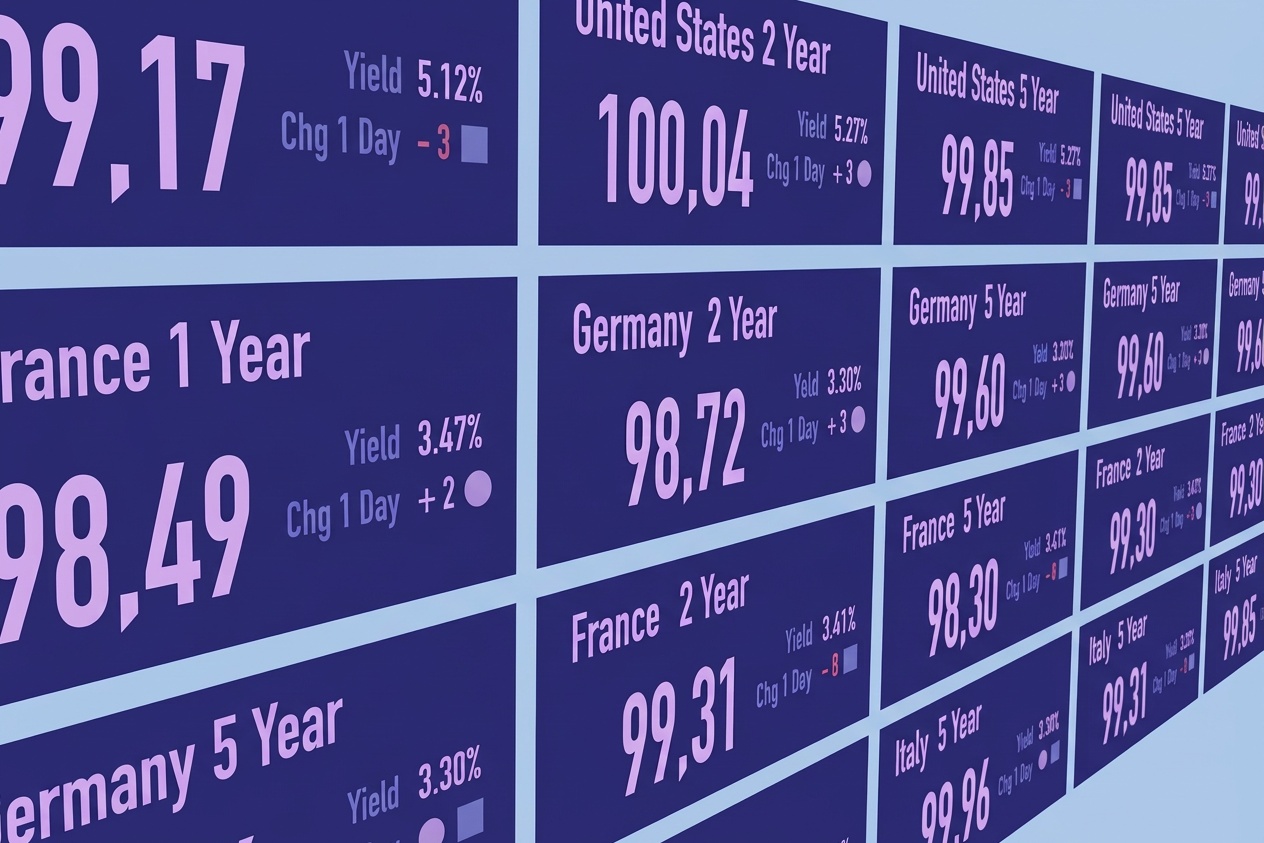
In forex, traders are constantly comparing returns across countries. If one country offers higher yields, it becomes more attractive to global investors.
This leads to increased demand for that currency (hence, appreciation), and capital inflows. On the other hand, lower yields reduce attractiveness, often leading to outflows and currency weakness.
This is why currencies are so sensitive to rising interest rates, changes in monetary policy, and shifts in future interest rate expectations. When yields move, currencies tend to follow.
Interest Rates, Central Banks, and Yields
Bond yields are closely tied to interest rates set by a central bank. When a central bank tightens policy, interest rates rise, bond yields increase, and currencies often strengthen. When policy loosens, interest rates fall, yields decline, and currencies usually weaken
These shifts are driven by monetary policy, which responds to:
- Inflation
- Growth
- Employment
Importantly, markets react not just to current rates, but to expectations of future interest rates.
Bond Market Dynamics and Currency Moves
The bond market is one of the largest and most influential in the world. In the context of forex, for instance:
- If US yields rise sharply, the dollar often strengthens
- If yields fall, the currency may weaken
This is because bond investors are constantly reallocating capital based on returns. Here are the main influential factors:
Inflation expectations
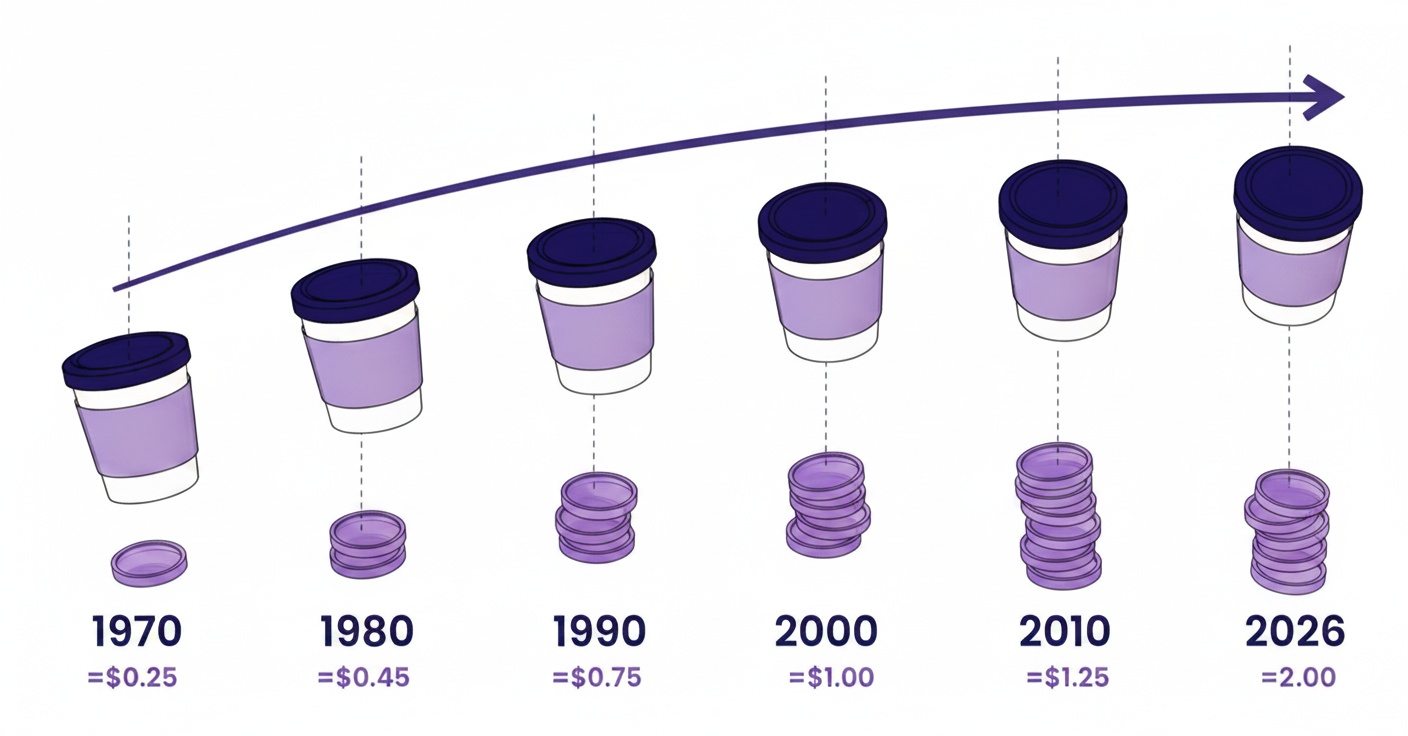
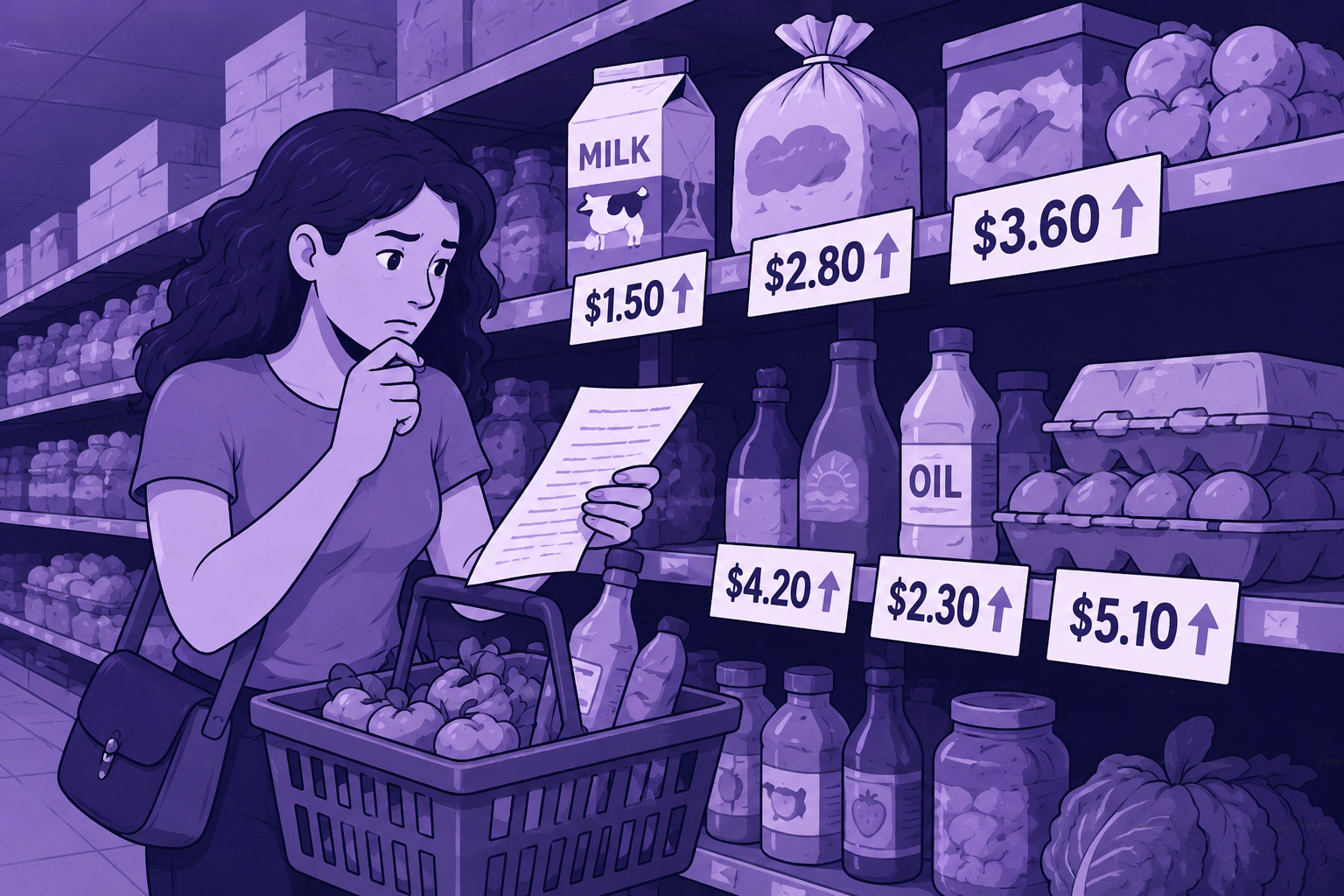
One of the most important drivers of the bond market is inflation expectations. When investors expect inflation to rise, they demand higher yields to compensate for the loss of purchasing power.
This pushes yields up and can support a currency, particularly if markets anticipate tighter monetary policy from the central bank. Conversely, falling inflation expectations often lead to lower yields, reducing a currency’s relative attractiveness.
Economic data
Economic data provides a constant stream of information that shapes expectations around economic growth. Strong data can reinforce the outlook for rising interest rates, pushing yields higher as investors anticipate tighter policy.
Weak data tends to have the opposite effect, pulling yields down as markets begin to price in slower growth or potential easing. In this sense, the bond market acts as a real-time reflection of economic momentum.
Central bank policy
Movements in yields are closely tied to signals from the central bank. When policymakers indicate they may raise rates, yields often rise in anticipation. If they signal cuts or a more cautious stance, yields can fall.
What matters most is not just current policy but expectations for future interest rates, as the market continuously adjusts to forward guidance and evolving outlooks.
Risk sentiment
Risk plays a key role in shaping bond flows. During periods of uncertainty, investors move into safer assets like government bonds, driving prices higher and yields lower. This shift in sentiment can support safe-haven currencies.
In more optimistic environments, capital flows back into riskier asset classes, pushing yields higher and supporting currencies tied to growth and risk appetite.
Global market conditions
Finally, broader global market conditions tie everything together. Changes in liquidity, capital flows, and investor positioning influence how bond investors allocate capital across markets. Many factors, including policy expectations, growth outlook, and global sentiment, drive these shifts.
As a result, the bond market is constantly adjusting, and currencies tend to follow those underlying changes.
Final Thoughts
The influence of bonds and yields in forex cannot be overstated. They sit at the intersection of interest rates, economic growth, and global capital flows.
The bond market often tells a deeper story, one driven by expectations, returns, and investor behaviour.
At a high level, remember this:
- Higher yields tend to attract capital and support a currency
- Lower yields tend to push capital away and weaken it
- The yield curve provides insight into future economic conditions
- Markets move on expectations, not just current data
Understanding these relationships improves your analysis and changes how you see the market entirely.
